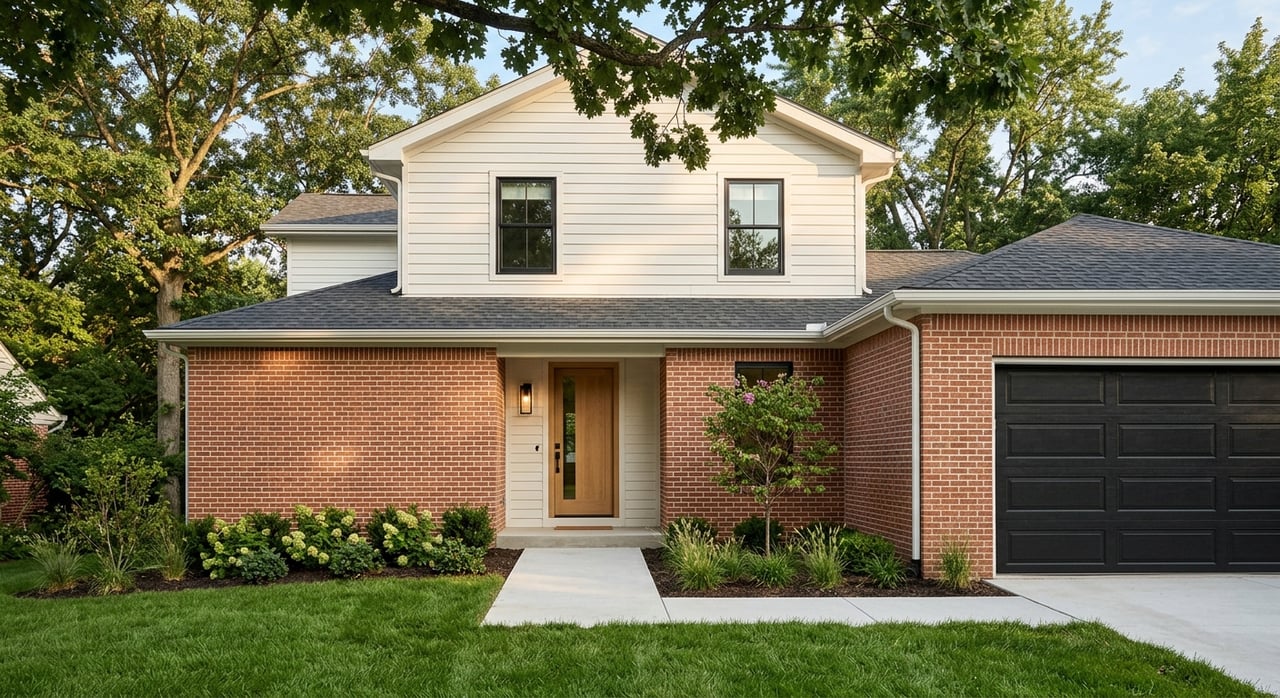
Thinking about buying a brand-new home in Jeffersonville? New construction can feel simple on the surface, but the process often has more moving parts than buyers expect. If you know what to watch for before you sign, you can make smarter decisions about the lot, the builder, the timeline, and your total costs. Let’s dive in.
Why Jeffersonville new construction takes planning
Jeffersonville continues to see residential and commercial development, which gives buyers more opportunities to consider new construction. At the same time, your experience can change based on where the lot sits, which local office has jurisdiction, and what approvals are required before building moves forward.
That matters because buying new construction is not only about choosing a floor plan. In Jeffersonville, zoning rules, permits, floodplain status, utility-related fees, inspections, and closing documents can all affect your timeline and budget.
Know whether the lot is in the city
One of the first things to confirm is whether the property is inside Jeffersonville city limits or in unincorporated Clark County. That single detail can change which office handles planning, permits, and inspections.
If the lot is inside Jeffersonville, the city’s Planning and Zoning Department enforces the zoning ordinance, comprehensive plan, and subdivision control ordinance. The city’s Building Commission also says permits are required for new construction and related system work.
Jeffersonville uses an online permitting system, and contractors working in the city must be licensed and insured. For you as a buyer, that means it is worth asking early whether the builder and key contractors are already set up to meet local requirements.
If the property is outside the city in unincorporated Clark County, the process shifts to the Clark County Planning & Zoning Office. The county says all building permits are issued through Planning & Zoning, residential improvement applications are handled online, and inspections generally require 24-hour notice.
The county also says permits obtained after December 26, 2019 must follow the current Indiana Residential Code framework. That is one more reason to verify exactly where the lot is located before you compare timelines across communities.
Watch for special district approval
Some lots have an extra layer of approval. In Jeffersonville, the Oak Park Conservancy District requires property owners to get district approval before obtaining a city building permit.
That does not mean you should avoid those areas. It simply means you should ask upfront whether any district, conservancy, or similar local approval applies so you are not surprised later.
Ask about utility and development costs early
A new home price does not always tell the full story. In Jeffersonville, builders must meet sewer and lateral standards and pay sewer capacity fees, and the city advises developers to research those costs early to avoid delays.
For buyers, the practical question is simple: what costs are already included, and what costs could affect the project schedule or final closing numbers? Asking that early can help you compare communities more accurately.
Floodplain status can change your costs
In Jeffersonville, flood risk deserves close attention, especially if you are looking near the river or in a mapped flood area. The city participates in the National Flood Insurance Program, and standard homeowners insurance usually does not cover flood damage.
If the home is in a Special Flood Hazard Area and you are using a federally backed mortgage, flood insurance can be required. The city also states that development in the 100-year floodplain may require a permit before work begins.
Before you commit to a lot, ask whether the site is in a mapped floodplain and whether any added permit steps or insurance costs may apply. That is one of the easiest ways to avoid an unexpected monthly expense.
Start with financing and compare options
Mortgage preapproval is a smart first step when you start shopping for new construction. A preapproval letter shows a lender’s tentative willingness to lend, and sellers often want to see one before they accept an offer.
It is also important to remember what preapproval is not. It is not a guaranteed loan offer, so you should still compare official Loan Estimates from multiple lenders before choosing your loan.
Build financing may follow a different schedule
If you are financing a true build instead of buying a completed spec home, the loan process may look different from a standard resale purchase. Construction loans can involve several disbursements during the building phase, and the construction and permanent phases may be disclosed separately.
That can make the funding schedule and closing date more fluid. If you are planning a move around work, school schedules, or the sale of your current home, build in extra flexibility.
Understand the new construction timeline
Many buyers expect a smoother path with a new home, but timing can still shift. Material availability, permitting, inspections, and final approvals can all affect when a home is ready to close.
A practical timeline usually includes these stages:
- Get preapproved and compare lender estimates
- Confirm the lot location and local jurisdiction
- Review the contract, upgrade costs, and expected build schedule
- Track permit and construction progress
- Schedule an independent home inspection as soon as the contract allows
- Complete a final walk-through before closing
- Review the closing disclosure at least three business days before closing
- Confirm the deed is recorded after closing
If the home is newly completed, the closing may also include a certificate of occupancy. That is one more document to expect as you get near move-in day.
Yes, you still need a home inspection
A common mistake with new construction is assuming a builder warranty replaces an inspection. It does not.
A home inspection is a separate buyer-protection step, and it is different from the appraisal. The appraisal serves the lender’s needs, while the inspection helps you understand the condition of the home.
If your contract allows it, schedule an independent inspection as soon as possible so there is time to address issues. You may be able to negotiate repairs or even cancel the sale based on the inspection results, depending on the contract terms.
Attend the inspection if you can
If possible, attend the inspection in person. That gives you a chance to hear the findings directly and ask practical questions about maintenance, systems, and any items that need follow-up.
Even in a brand-new home, small issues can show up. Catching them before closing is usually much easier than trying to sort them out after move-in.
Builder warranties have limits
A builder warranty can be valuable, but you should read it carefully and avoid broad assumptions. New-home warranties may be backed by the builder or by a third-party company.
Warranty coverage is often limited to workmanship and materials for specific components. Common coverage patterns include one year for many components and two years for HVAC, plumbing, and electrical systems.
Just as important, exclusions are common. Items such as appliances, small cracks in brick or drywall, and products already covered by a manufacturer warranty may not be included.
Warranty claims work best on paper
If you need to make a claim, follow the warranty instructions closely. Put repair requests in writing and keep records of your communication.
It is also smart to read the dispute provisions before closing. Many new-home warranties use mediation or arbitration, so you want to understand that process before you ever need it.
Budget for taxes and post-closing changes
One of the most overlooked costs in new construction is property taxes. In Indiana, property taxes are paid in arrears, and assessed values can change when new construction is completed.
That means the tax figure you see early in the process may not reflect the home’s reassessed value after completion. Buyers should plan for the possibility of a tax reset once the finished home is fully assessed.
The Indiana Department of Local Government Finance also notes that special assessments can be used for certain improvements such as sidewalks, sewers, and street improvements. That makes it worth asking detailed questions about the property’s current and future tax-related costs.
Prepare for closing day
As closing approaches, there are a few items you should expect to review. Buyers commonly receive title work, homeowners insurance information, and the closing disclosure before signing.
You should also plan for a final walk-through right before closing. This is your chance to confirm agreed repairs were completed and check for any new damage or unfinished items.
A careful walk-through matters even more with new construction because the home may have had recent contractor activity, punch-list work, or final touch-ups. A last review helps you confirm the home is delivered in the condition you expected.
A smart Jeffersonville new build strategy
Buying new construction in Jeffersonville can be a great move if you go in with the right expectations. The biggest wins usually come from asking early questions about jurisdiction, permits, floodplain status, utility-related costs, inspections, warranties, and future taxes.
If you want steady guidance through the process, local help matters. Whether you are buying your first home, moving across the river, or comparing new construction with resale options, Weston Faulkner can help you sort through the details and move forward with confidence.
FAQs
Do you need a home inspection for a new construction home in Jeffersonville?
- Yes. An independent home inspection is a separate buyer-protection step and is different from the appraisal.
What does a builder warranty usually cover on a new home?
- Builder warranties are often limited to workmanship and materials for specific components, and exclusions are common.
Why can property taxes change after buying a new construction home in Indiana?
- Indiana property taxes are paid in arrears, and the assessed value can change after the new home is completed and reassessed.
What should buyers check about flood risk in Jeffersonville new construction?
- You should confirm whether the lot is in a mapped floodplain, whether flood insurance may be required, and whether any floodplain permit rules apply before work begins.
What is different if the new construction lot is outside Jeffersonville city limits?
- If the property is in unincorporated Clark County, permitting and inspections are handled through the county Planning & Zoning Office instead of the city.