Craving a neighborhood where your morning coffee is a short stroll away and your sunset walk ends under towering trees? The Highlands delivers that easy rhythm, with lively streets, quiet side blocks, and a beloved park that locals use every day. If you are comparing in-town Louisville neighborhoods, you want the real feel of daily life and clear insight into homes, transit, and amenities. This guide walks you through what it is like to live in the Highlands so you can decide if it fits your lifestyle. Let’s dive in.
The Highlands vibe, day to day
You feel the Highlands as much as you see it. Bardstown Road and Baxter Avenue form an energetic spine, with cafés, pubs, bakeries, and boutiques creating a steady hum from morning through late evening. Slip one block over and you find leafy streets, front porches, and historic homes with mature trees.
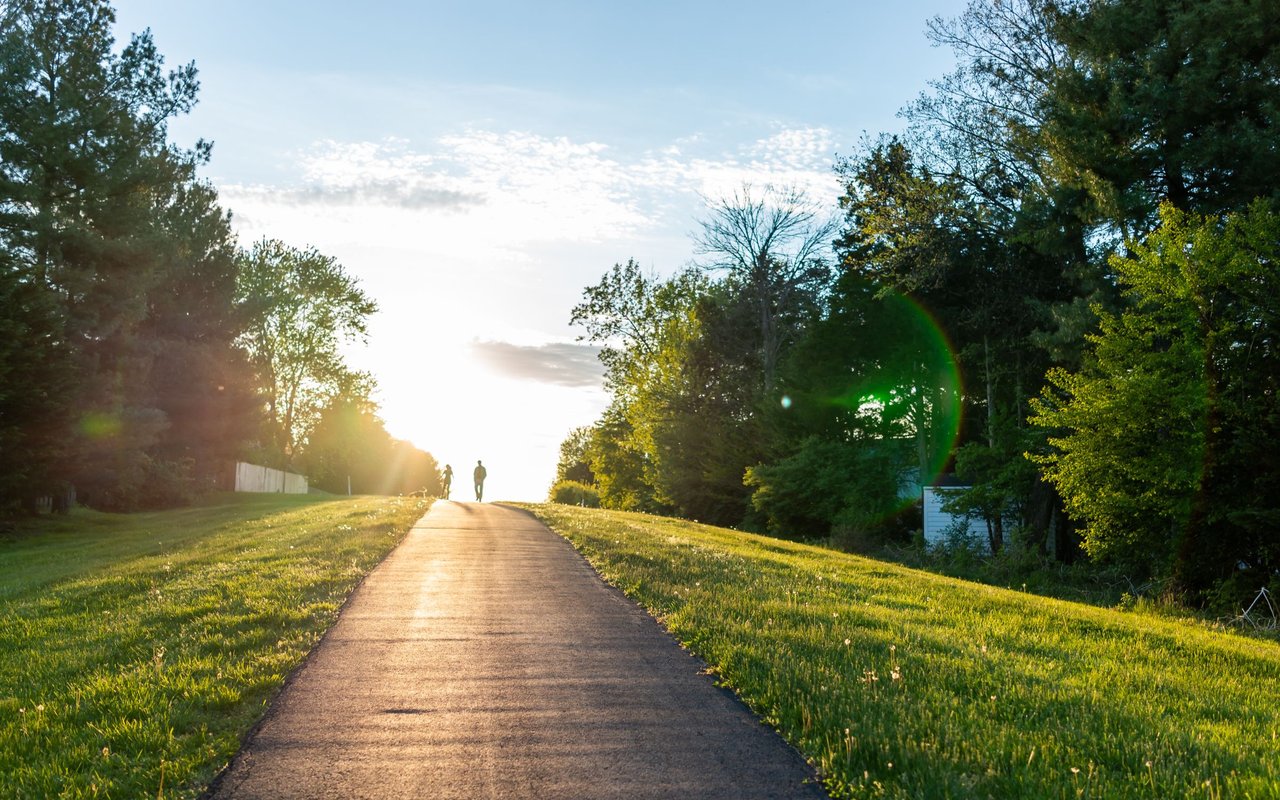
A typical day here is simple and social. Grab a coffee, head to the park loop for a walk or run, then pick up groceries or a quick lunch on your way home. Evenings often include a casual dinner, a concert or comedy set nearby, or a quiet night on the porch. You get an urban-suburban mix that feels relaxed yet connected.
Parks and outdoor living
Cherokee Park is the Highlands’ signature amenity and a major reason people choose to live here. Designed by Frederick Law Olmsted, it offers rolling landscapes, picnic areas, playgrounds, scenic drives, and popular walking and running loops. The park is maintained and programmed in partnership with Olmsted Parks Conservancy’s Cherokee Park overview, so you will find volunteer days, community events, and seasonal activities throughout the year.
Beyond Cherokee Park, you will find small pocket greens and easy access to the broader Olmsted system. The linear network of parks and parkways connects neighborhoods and creates a consistent outdoor experience across the city. Explore the Olmsted Parks system to see how these green corridors link together.
Tips for enjoying the outdoors:
- Try the main loop for a walk, jog, or bike ride, then branch onto interior trails when you have more time.
- Pack a picnic for weekend meetups, the open lawns make group gatherings easy.
- Visit at different times of day to learn the park’s rhythm, mornings are calm, weekends are lively.
Dining, coffee, nightlife, and shopping
If you enjoy variety, the Highlands offers it in spades. Bardstown Road and Baxter Avenue host a dense mix of long-running institutions, new restaurants, dessert spots, craft cocktails, and music bars. Hours often run late on weekends, and you can assemble an entire evening within a few blocks.
You will also find everyday services along the corridor. Independent boutiques, vintage shops, salons, fitness studios, small grocers, banks, and repair shops line the street. The mix changes over time, which keeps the options fresh. New concepts pop up while local favorites continue to anchor the neighborhood.
How to dine like a local:
- Walk the corridor before you pick a spot. The scene can shift block by block, and you may discover a new favorite.
- Plan a brunch-to-park combo on weekends to avoid peak dinner crowds.
- Save room for dessert. Bakeries and scoop shops are part of the Highlands tradition.
Everyday conveniences you will use
One advantage of the Highlands is how often you can leave your car parked. Pharmacies, clinics, dentists, gyms, banks, and specialty food stores are close to residential streets, which makes quick errands simple. Larger supermarkets are a short drive away, and delivery services cover the area.
Parking varies by micro-location. Residential blocks are easier, some commercial stretches can be tight during peak dining hours. If you plan to host or commute by car, preview the parking situation on your target block at different times of day.
Housing styles and what to expect
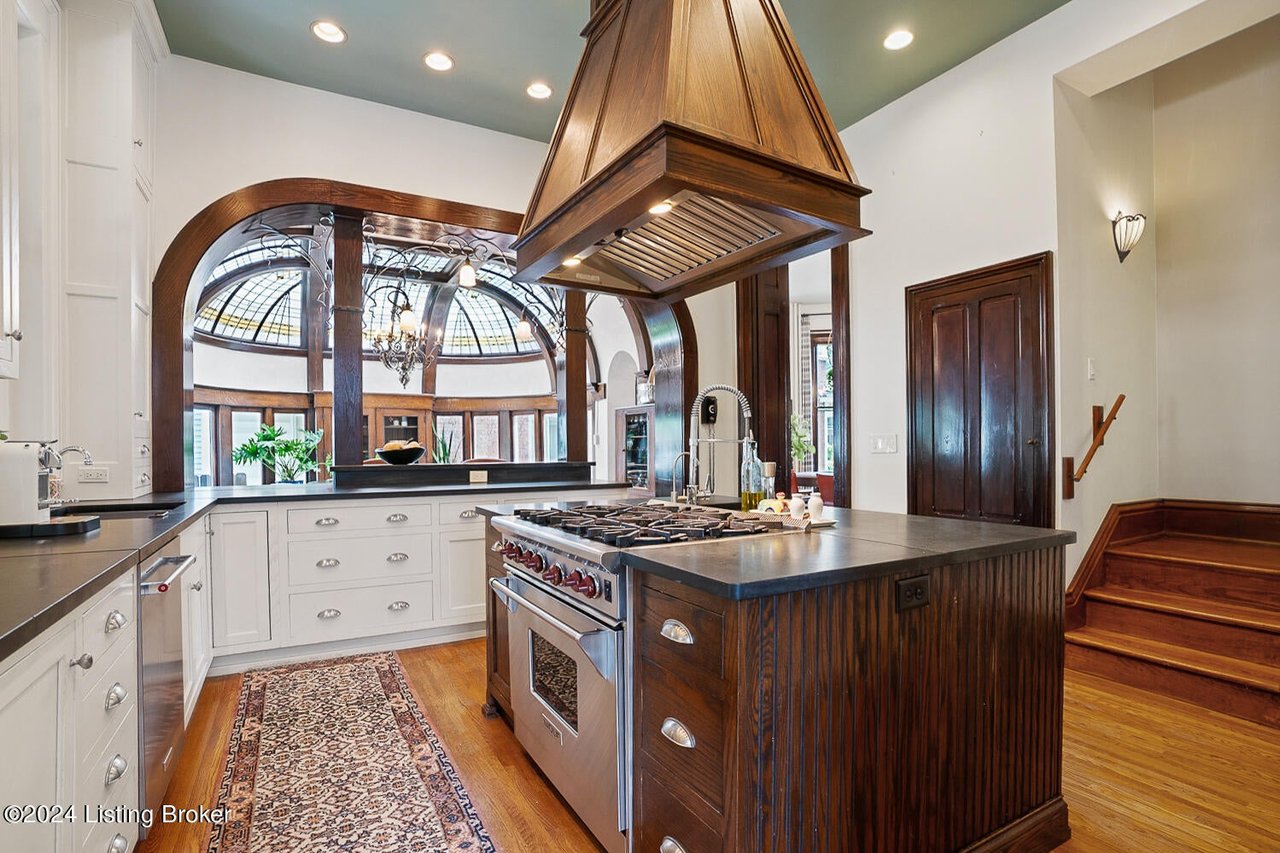
The Highlands is known for historic character and curb appeal. You will see late 19th and early 20th century architecture, from Queen Anne and other Victorian-era styles to American Foursquare, Craftsman bungalows, and Tudor Revival. Many homes feature front porches, detailed woodwork, and mature landscaping. There are also duplexes, small multifamily buildings, and a selection of condo conversions and infill townhome-style properties near the main corridors.
Common renovation patterns include preserving exterior charm while updating interiors. Buyers often modernize kitchens and baths, upgrade HVAC and electrical systems, improve insulation, and invest in basement or crawlspace waterproofing. If you value original trim, tile, and mantels, you will find plenty. If you prefer turnkey, you can target homes that have already completed the heavy lifting.
What to look for during tours:
- Structural and mechanical updates, ask about age of roof, electrical panel, plumbing, HVAC.
- Moisture management, note gutters, grading, and any waterproofing work.
- Historic details, identify which original elements were preserved or restored.
- Noise and light, visit during evening hours if you are near Bardstown Road.
Transportation and getting around
The Highlands is one of Louisville’s more walkable in-town areas, and many errands can be handled on foot. For a broad view of walkability across Louisville neighborhoods, review Walk Score’s Louisville overview.
Transit is straightforward, with TARC bus routes running along major corridors like Bardstown Road and Baxter Avenue. Routes and schedules change, so check TARC’s official site to map your commute. Downtown and nearby interstates are a short drive, though traffic on the main corridor can be busier during weekend dining hours.
Getting around tips:
- Map your daily routine, test your commute, grocery run, and park time in one loop.
- If you bike, sample side-street routes for a calmer ride than the main corridor.
- For guests, note the closest public parking options on busy nights.
Community events and organizations
You will find an engaged community here. Seasonal street festivals, art fairs, and holiday-themed events along Bardstown Road bring neighbors out to stroll and shop. Near Cherokee Park, neighborhood associations support greenspace care, host gatherings, and share updates. Volunteer cleanups and tree plantings are common and are often coordinated with park partners.
Event calendars change year to year. Before you go, check neighborhood association pages, business group calendars, and social feeds for current dates. Arrive early for popular events, and plan to walk between venues.
Historic character and Cherokee Triangle
Within the Highlands, the Cherokee Triangle area features a concentration of historic homes and a distinct streetscape of mature trees and period architecture. It is recognized on the National Register of Historic Places, which underscores the value of its preserved character. If you love history, the Triangle’s blocks are a rewarding place to take a self-guided walk.
How the Highlands compares nearby
When you compare in-town neighborhoods, focus on lifestyle tradeoffs rather than better or worse. Here is a quick snapshot:
- Highlands vs. Crescent Hill: Highlands has a more nightlife-oriented corridor and a busier evening scene, Crescent Hill feels quieter with its own shopping nodes along Frankfort Avenue.
- Highlands vs. NuLu: Highlands blends a residential fabric with a long-running dining corridor, NuLu leans contemporary with galleries, boutiques, and newer development.
- Highlands vs. Old Louisville: Highlands mixes commercial activity with varied home styles, Old Louisville features one of the largest collections of Victorian homes in the country with a more continuous residential setting.
- Highlands vs. Clifton and Butchertown: Clifton has smaller retail clusters and a distinct street grid, Butchertown shows more industrial-to-creative redevelopment and newer construction.
Is the Highlands a fit for you
Choose the Highlands if you want a walkable lifestyle, quick park access, and a lively food and nightlife scene. It fits buyers who value historic charm and do not mind a bit more energy on busy nights. If you prefer a quieter pace with similar access to in-town conveniences, you might compare Crescent Hill or Clifton. Visit at different times of day to feel the differences, then narrow your home search to the blocks that match your routine.
Ready to explore homes and find your spot on the map? Reach out to Weston Faulkner for local guidance and a personalized Highlands tour. You will get practical advice, responsive communication, and a clear plan for your next move.
FAQs
What is the Highlands in Louisville
- The Highlands is an in-town Louisville neighborhood centered on Bardstown Road and Baxter Avenue, known for walkable dining, nightlife, and proximity to Cherokee Park.
How walkable is the Highlands for daily errands
- Many errands can be done on foot along Bardstown Road and Baxter Avenue, and you can compare Louisville walkability across areas using Walk Score’s city overview.
What types of homes will I find in the Highlands
- You will see historic single-family homes like Queen Anne, American Foursquare, Craftsman, and Tudor Revival, plus some duplexes, small multifamily buildings, and condo conversions.
How do residents use Cherokee Park year round
- Locals walk, run, bike, picnic, and enjoy playgrounds throughout the year, with programming and stewardship supported by park partners such as Olmsted Parks Conservancy.
How does the Highlands compare to NuLu or Crescent Hill
- Highlands offers a long-standing, residentially embedded dining corridor, NuLu skews contemporary with galleries and newer builds, and Crescent Hill trends quieter with its own retail nodes.