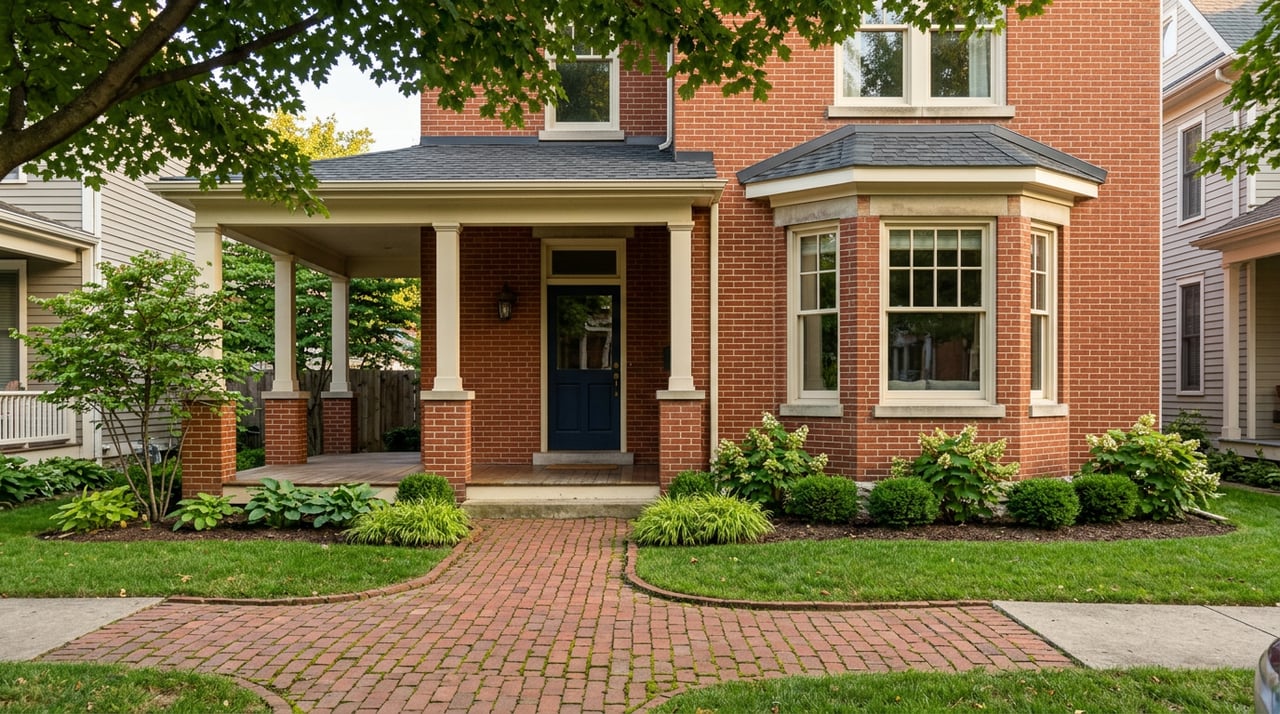
Thinking about trading your current Louisville home for more space, charm, and walkability in the Highlands? You’re not alone. This part of town blends historic homes, leafy streets, and quick access to Bardstown Road and Cherokee Park, which makes it a favorite for move-up buyers. In this guide, you’ll learn how each pocket differs, what typical price bands and lot sizes look like, what renovations to plan for, and how local preservation rules can shape your plans. Let’s dive in.
Why move up to the Highlands
The Highlands is a cluster of connected historic neighborhoods centered on Bardstown Road. You get a lively dining and shopping corridor, plus easy access to the Olmsted-designed Cherokee Park. The area ranks among Louisville’s most walkable spots, which many families and professionals value for daily errands and weekend fun. According to Walk Score’s Highlands overview, the neighborhood earns strong marks for walking and nearby amenities.
You’ll likely pay a premium here compared with the broader Jefferson County median. In return, you gain historic character, mature streetscapes, and shorter trips to parks, coffee shops, and restaurants. If you’re moving up, the question becomes which pocket gives you the right balance of space, yard, parking, and price while keeping that walkable lifestyle.
Pocket-by-pocket guide
Original Highlands
- Character: Dense, walkable grid with late-19th and early-20th-century homes, including Victorians, Queen Annes, and some shotgun houses. Smaller lots and frequent duplex or rowhouse styles near Bardstown Road nightlife.
- Typical price band: Often from the low-to-mid hundreds up to the upper $300ks for modest single-family or duplex options. Confirm current comps before you write an offer.
- Lot pattern: Narrow urban lots are common, often about 25–40 feet wide and 100–130 feet deep. These dimensions work for small rear additions or second-story reconfigurations, but they limit side expansions and large garages.
- Best for: You if you want maximum walkability and historic character and can trade a big yard for location.
Cherokee Triangle
- Character: Architecturally prominent and park-adjacent, with grand Victorians, brick homes, and historic apartments close to Cherokee Park.
- Typical price band: Condos and smaller homes can start mid-range, while larger historic properties often sell well into the higher brackets, including seven figures for trophy homes.
- Lot pattern: Larger parcels appear here more often, giving you more yard, off-street parking options, or room for additions compared with inner-grid blocks.
- Preservation note: Many blocks fall under local historic oversight, so exterior changes typically require a Certificate of Appropriateness. Start with Louisville Metro’s Historic Preservation & Urban Design resources early.
- Best for: You if you want formal rooms, larger scale, and direct park access.
Bonnycastle / Highlands–Douglass
- Character: Tree-lined, parkside streets with many well-kept early-20th-century homes. The feel is quietly upscale with good proximity to the park and Bardstown Road. For context on the area’s history and fabric, see Bonnycastle’s background.
- Typical price band: Often above broader Highlands medians, with many homes trading in higher price segments depending on size and updates.
- Best for: You if you want a larger lot, a quieter street, and parkside living without sacrificing walkability.
Tyler Park
- Character: Classic Highlands fabric with a mix of single-family homes and small multi-family properties. Slightly more modest than the highest-priced pockets but still close to Bardstown Road and park spaces.
- Typical price band: Commonly mid-$300ks to mid-$400ks depending on size and finish, which appeals to many move-up buyers.
- Best for: You if you want value within the Highlands, solid access to green space, and a comfortable residential setting.
Deer Park
- Character: Similar to Tyler Park with a blend of single-family homes and small multi-family. Walkable to restaurants and services.
- Typical price band: Often comparable to Tyler Park, with many move-up options in the mid-to-upper mid-range.
- Best for: You if you want space and convenience in a central location.
Lot sizes, overlays, and what you can change
Before you fall in love with a porch or plan a garage addition, pull the parcel details. Use LOJIC Online to view the exact lot geometry, dimensions, setbacks, any easements, and taxing districts. That map is the go-to tool for verifying width, depth, alley access, and whether a driveway or rear parking pad is feasible.
Some blocks sit within local preservation districts or design overlays. In those areas, most visible exterior changes require a Certificate of Appropriateness or overlay permit. That process can extend timelines and guide choices on materials, rooflines, windows, and porches. Review Louisville Metro’s Historic Preservation guidance and loop in staff early if you want to add a dormer, build a new porch, or make noticeable exterior updates.
Practical tips:
- Confirm your lot width and depth in LOJIC before bidding on a home if parking or additions are must-haves.
- Ask your agent to check whether the property is in a preservation district and what that means for your timeline.
- Balance tradeoffs: bigger lot and easier parking often sit a few blocks off Bardstown Road, while the most walkable blocks tend to have narrower lots.
Renovation realities in 1900–1930 homes
Most Highlands homes were built between 1900 and 1930. That’s part of the charm, but it can mean system updates. Build a realistic plan and budget before you write an offer.
Electrical safety and insurance
Older wiring types like knob-and-tube and small fused panels can still show up. Electrical malfunctions are a leading cause of home-structure fires nationally, and many lenders or insurers require upgrades for coverage. Review the National Fire Protection Association’s research on non-home electrical fires and budget for panel and wiring updates when needed.
Plumbing and drains
Galvanized water lines and aging drain runs are common in older homes. A typical whole-house repipe can range from roughly $4,000 to $15,000 depending on size, access, and materials. PEX is usually the most cost-effective option. For a simple overview, see this national guide to repipe costs and factors. Always verify with local contractors.
Lead-safe rules for pre-1978 homes
If you plan to disturb painted surfaces, the EPA’s Renovation, Repair and Painting Program applies to pre-1978 homes. Contractors must follow lead-safe practices, and some projects require certified firms and specific cleanup steps. Learn the basics from the EPA’s RRP work practices page.
Structure, roof, and HVAC
Expect periodic roof replacements, foundation checks, and heating or cooling modernization. Many pre-war homes used boilers or smaller forced-air systems. If walls are open for rewiring or repiping, consider adding insulation and updating ductwork to improve comfort and efficiency.
Budget and ROI benchmarks
Set a contingency of 10–20 percent for surprises. For high-level planning and potential resale impact, compare your scope to national benchmarks in Remodeling’s Cost vs. Value report. Typical projects range widely, but you can scan averages for kitchens, baths, siding, and more at the 2025 Cost vs. Value tool to guide your priorities.
Pro tip: If your home is within a designated historic district or is otherwise eligible, Kentucky’s historic rehabilitation tax credit can offset some qualified expenses. Owner-occupied projects may secure a state credit up to 30 percent of Qualified Rehabilitation Expenditures, subject to program rules and caps. Start with the Kentucky Heritage Council’s resources, including this state preservation impact brief, and confirm current limits before you plan your financing.
Smart buying strategy for move-up success
Use this checklist to stay focused and competitive:
- Define must-haves vs nice-to-haves. Prioritize bed-bath count, primary suite, yard size, off-street parking, and proximity to Bardstown Road or Cherokee Park.
- Run granular comps. Neighborhood medians can swing month to month. Ask your agent for recent solds, days on market, sold-price-to-list ratios, and examples of recent renovations.
- Plan due diligence beyond a general inspection. For pre-1960 homes, line up a licensed electrician and plumber to check wiring types, panels, and water or sewer lines. Review lead-safe steps for any pre-1978 property.
- Decide on move-in-ready vs buy-and-improve. Move-in-ready homes cost more upfront but save time and stress. If you can renovate, target homes with good bones in the right pocket and address systems first, then tackle cosmetics.
- Coordinate timing and financing. Inventory can be tight and the best homes move quickly. Discuss contingent offers, bridge options, or back-to-back closings with your lender and agent.
Which pocket fits you?
- You want max walkability and nightlife: Original Highlands.
- You want scale, presence, and park adjacency: Cherokee Triangle.
- You want parkside streets and larger lots with a quieter feel: Bonnycastle or Highlands–Douglass.
- You want value and space in the Highlands fabric: Tyler Park or Deer Park.
Whichever you choose, confirm the lot dimensions in LOJIC Online, preview the likely permit path with Louisville Metro Historic Preservation, and budget for system updates typical of 1900–1930 homes.
Ready to explore homes in the Highlands?
If the Highlands checks your boxes, let’s map your must-haves to the right pocket, pull the best comps, and line up inspections and contractors before you write. You’ll move with confidence, avoid surprises, and land the home that fits your next chapter. For a tailored plan or a pricing check on your current home, connect with Weston Faulkner. Get Your Free Home Valuation.
FAQs
Do Highlands renovations require special permits?
- Many exterior changes in local preservation districts require a Certificate of Appropriateness. Review Louisville Metro’s Historic Preservation guidance and confirm requirements before you begin.
How big are typical Highlands lots for move-up buyers?
- Inner blocks often have narrow, deep parcels around 25–40 feet wide by 100–130 feet deep, while parkside pockets like Cherokee Triangle and Bonnycastle more often feature larger lots. Verify exact dimensions in LOJIC Online.
What should I budget for older-home systems in the Highlands?
- Plan for potential electrical upgrades, repiping, and HVAC improvements. National guides suggest repipes can run about $4,000 to $15,000 and electrical upgrades vary by scope. See repipe cost factors and the Cost vs. Value tool for benchmarks.
How do lead-safe rules affect my renovation?
- Pre-1978 homes fall under the EPA’s RRP program when painted surfaces are disturbed. Use lead-safe work practices and certified contractors where required. Review the EPA’s RRP overview.
Can historic tax credits help my Highlands project?
- Yes, if your project qualifies. Kentucky’s program can offer a state credit up to 30 percent of eligible owner-occupied rehabilitation costs, subject to caps and rules. Start with the Heritage Council’s program resources and confirm current details.