Thinking about moving to Anchorage, Kentucky? If you want more space, a strong sense of place, and a quieter setting without being far from Louisville, Anchorage is easy to notice. The key is understanding how this small city really works, from school boundaries to preservation rules to the pace of the housing market. Here’s what you should know before you make your move.
Why Anchorage stands out
Anchorage is a small home-rule city in northeastern Jefferson County, about 15 miles east of downtown Louisville. According to the City of Anchorage history page, the city has 2,421 residents, about 850 residences, one school, several small businesses, and a handful of churches.
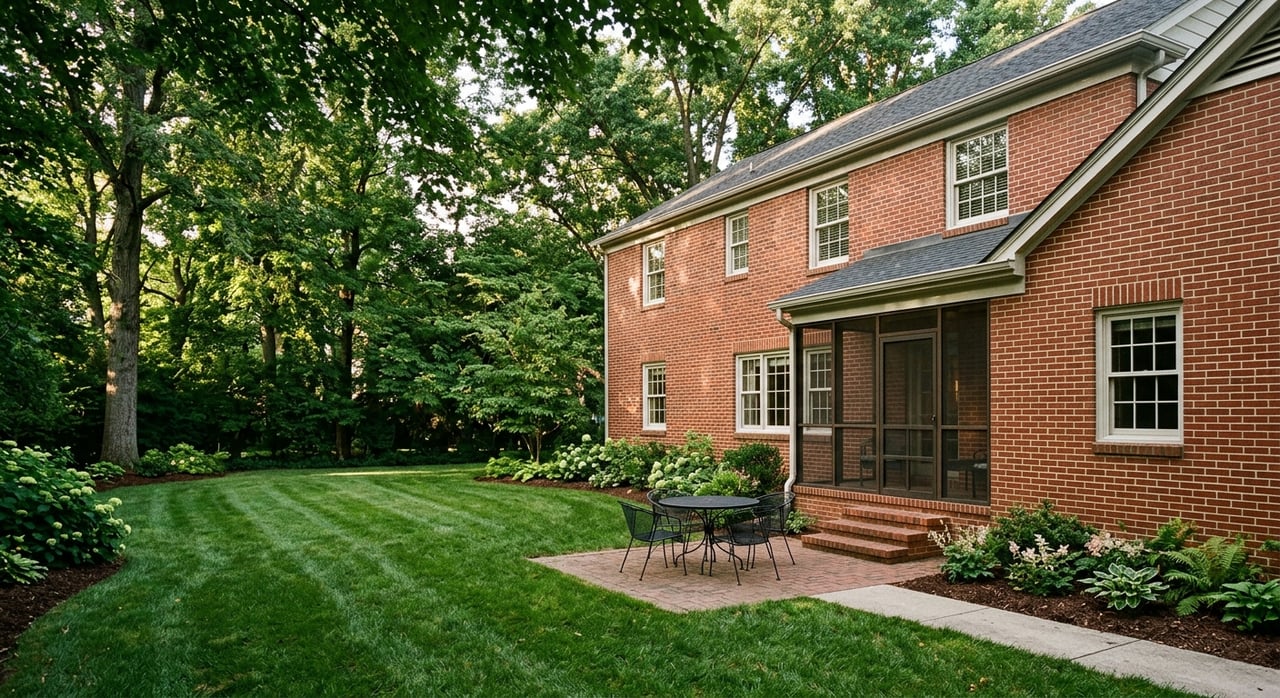
What many buyers notice first is the setting. The city describes Anchorage as a close-knit community with tree-shaded parks, horse paths, and walking trails. Its character is tied closely to landscape, open space, and a more established, residential feel than you may find in newer suburban developments.
Anchorage lifestyle and atmosphere
Anchorage has a distinct identity shaped by preservation and planning. The city’s historic-preservation guidebook explains that Anchorage has long protected a park-like suburban residential character, with green open space, tree canopy, curving streets, and triangle intersections associated with the Olmsted plan.
That means daily life here often feels different from a typical subdivision. You are more likely to see mature landscaping, generous spacing between homes, and streets that follow the land instead of a standard grid. For many relocating buyers, that blend of privacy, history, and natural setting is a big part of the appeal.
Anchorage also has a more locally managed feel than some buyers expect. The city maintains its own police department and public works office, while fire and EMS services are provided by Anchorage Middletown Fire & EMS through the city’s local service structure. That setup helps reinforce the small-town atmosphere while still keeping you connected to the larger Louisville metro.
What homes in Anchorage are like
If you are looking for cookie-cutter housing, Anchorage may not be the right fit. The Jefferson County PVA neighborhood profile describes the area as a place where historic homes, country estates, and smaller homes sit side by side under oaks and magnolias.
In practical terms, that means the housing stock can vary a lot from one property to the next. You may find older homes with architectural character, larger lots, and a setting where the land and tree canopy matter just as much as the structure itself. Buyers who want uniqueness and room to breathe often appreciate that right away.
The preservation guidebook also notes that Anchorage emphasizes generous spacing around buildings and landscaping that feels native and natural rather than highly formal. If you value space, mature trees, and a setting with long-term visual consistency, Anchorage offers a very specific kind of residential experience.
What to know before renovating or building
Anchorage’s character comes with rules that buyers should understand early. According to the city’s Historic Preservation Commission guidebook, new construction, demolition, and many exterior or landscape changes are subject to review.
That matters if you are planning to add on, significantly renovate, or rebuild. The same guidebook says tree removal for trunks over 3 inches in diameter requires forestry approval. So while Anchorage can be a great fit for buyers who value preservation and long-term neighborhood character, it is not the kind of market where you should assume every project will move like it would in a typical subdivision.
A smart move is to review those standards before you write an offer if a property needs major work. That extra due diligence can help you avoid surprises and make a more informed decision.
Schools in Anchorage
For many relocating households, schools are a major reason Anchorage makes the shortlist. Anchorage Public School describes itself as an independent public K-8 school and notes that it received National Blue Ribbon School recognition in 2021.
The school also says it emphasizes small class sizes and provides teaching assistants in K-3 classrooms. If you are moving from outside the area, that smaller-scale structure may be one of the things that draws you to the community.
Family involvement is another visible part of the school culture. The Anchorage PTA says families contribute more than 9,000 volunteer hours annually, which speaks to the level of community participation many buyers are hoping to find when they relocate.
Verify school boundaries carefully
There is one important detail you should not overlook. The city’s tax and public information page notes that not all properties inside Anchorage are located within the Anchorage Public School District.
That means you should verify school assignment at the property level before closing. For relocation buyers, this is one of the most important parts of due diligence, especially if school access is a deciding factor in your home search.
Space, lots, and daily living
When buyers talk about wanting “more space” in Anchorage, they usually mean more than square footage. They often mean larger lots, more distance between homes, mature landscaping, and a calmer visual environment.
Anchorage is especially appealing if you want a residential setting that feels established rather than newly built out. Between the tree canopy, open green space, and preservation-focused planning, the city offers a lifestyle centered on room to spread out and a landscape that feels intentionally protected.
That said, “space” here can also come with responsibility. Larger or more distinctive properties may involve more upkeep, and exterior changes may require approvals. If you are relocating from a neighborhood with fewer restrictions, that is worth factoring into your decision.
Taxes and utilities to budget for
Before you buy in Anchorage, it helps to understand a few local details around taxes and services. The city lists a fiscal-year 2025 real-property tax rate of $0.323 per $100 of assessed value, with tax bills mailed in April and due by June 30, according to the city tax information page.
The Jefferson County PVA’s 2025 schedule also lists the Anchorage/Middletown fire district at $0.175 per $100. Depending on the parcel, state, Metro Louisville, school, and fire district components may also apply. The PVA also notes a homestead or disability exemption of $49,100 for 2025-26 for eligible homeowners.
Utilities are fairly straightforward, but they are not all handled in one place. The city’s trash and recycling page points residents to Republic Services for trash and recycling, while Louisville Water serves Jefferson County, LG&E serves Louisville and surrounding counties, and Anchorage handles its own stormwater and drainage service rather than MSD.
Anchorage market conditions
Anchorage is a small market, so inventory can stay tight and numbers can shift quickly. According to Realtor.com’s Anchorage overview, there are 3 active listings, a median sale price of $924,500, and median days on market of 49.
The research also notes Redfin data showing a median sale price of $1.4 million and homes selling in about 36 days, though medians in a market this small can move sharply when only a few homes close. The larger takeaway is simple: Anchorage is a low-turnover niche market, and well-located homes can draw strong interest.
For broader context, Louisville-area inventory improved in 2025, reaching 3,324 active listings and 2.7 months of supply, with homes averaging 46 days on market, according to The Lane Report’s Louisville housing update. Compared with the wider metro, Anchorage still reads as a much tighter and more limited market.
Is Anchorage the right fit for you?
Anchorage can be a great match if you want a distinctive residential setting, established homesites, and a community identity shaped by preservation and local involvement. It may also appeal to you if a K-8 public school option, mature trees, and a quieter pace are high on your list.
At the same time, it helps to go in with clear expectations. School boundaries should be verified carefully, renovations may require added review, and available homes can be limited. In a market like Anchorage, preparation matters.
If you are weighing a move and want help comparing Anchorage with other Louisville-area options, connecting with a local guide can make the process much easier. When you are ready to explore your next move, Weston Faulkner can help you evaluate neighborhoods, navigate the search, and move forward with confidence.
FAQs
What is Anchorage, Kentucky like for relocation buyers?
- Anchorage is a small home-rule city in Jefferson County with 2,421 residents, a preserved park-like setting, mature trees, walking trails, horse paths, and a locally managed feel within the Louisville metro area.
What should buyers know about schools in Anchorage, Kentucky?
- Anchorage Public School is an independent public K-8 school that notes National Blue Ribbon recognition in 2021, but not every property inside Anchorage is assigned to that district, so buyers should verify school boundaries before closing.
What types of homes are common in Anchorage, Kentucky?
- Anchorage includes a mix of historic homes, country estates, and smaller homes, with many properties shaped by mature landscaping, generous spacing, and a strong emphasis on preserving neighborhood character.
What are renovation rules like in Anchorage, Kentucky?
- Many exterior changes, new construction, demolition, and some landscape work are reviewed through the Historic Preservation Commission, and tree removal over 3 inches in trunk diameter requires forestry approval.
How competitive is the Anchorage, Kentucky housing market?
- Anchorage is a very small, tight market with limited listings and relatively quick-moving inventory, so buyers should be ready for low turnover and competition when appealing homes become available.
What local tax and utility details matter in Anchorage, Kentucky?
- Buyers should budget for city property tax, fire district tax, and parcel-specific tax components, and they should also expect services to be split among providers such as Republic Services, Louisville Water, LG&E, and the city’s own stormwater system.